
Resources
Ventilation: the part of your roof that decides how long it lasts.
Ask most homeowners what makes a roof last and they'll say “good shingles.” The real answer, more often, is air. A roof that can't breathe cooks and rots itself from the underside — and you never see it happen. Here's how ventilation works, and the maintenance that's actually worth your time.
- GAF Certified · Factory-certified installer
- 10-Year · Workmanship warranty
- Family-Owned · Houston since 2023
Why a roof needs to breathe
Your attic builds heat and moisture, and Houston gives you plenty of both. With nowhere to go, that heat bakes the shingles from below while trapped moisture works on the decking and framing. A roof that can't exhaust either one ages from the inside out — long before its shingles would otherwise wear.
What "balanced ventilation" means
Balanced means intake and exhaust are matched: cool air drawn in low at the eaves and soffits, hot and moist air pushed out high — ideally through ridge vents, where the roof allows.
Exhaust without enough intake doesn't work; intake without exhaust doesn't either. Getting the balance right is a calculation, not a guess, and it's part of how we build every roof.
What poor ventilation quietly costs you
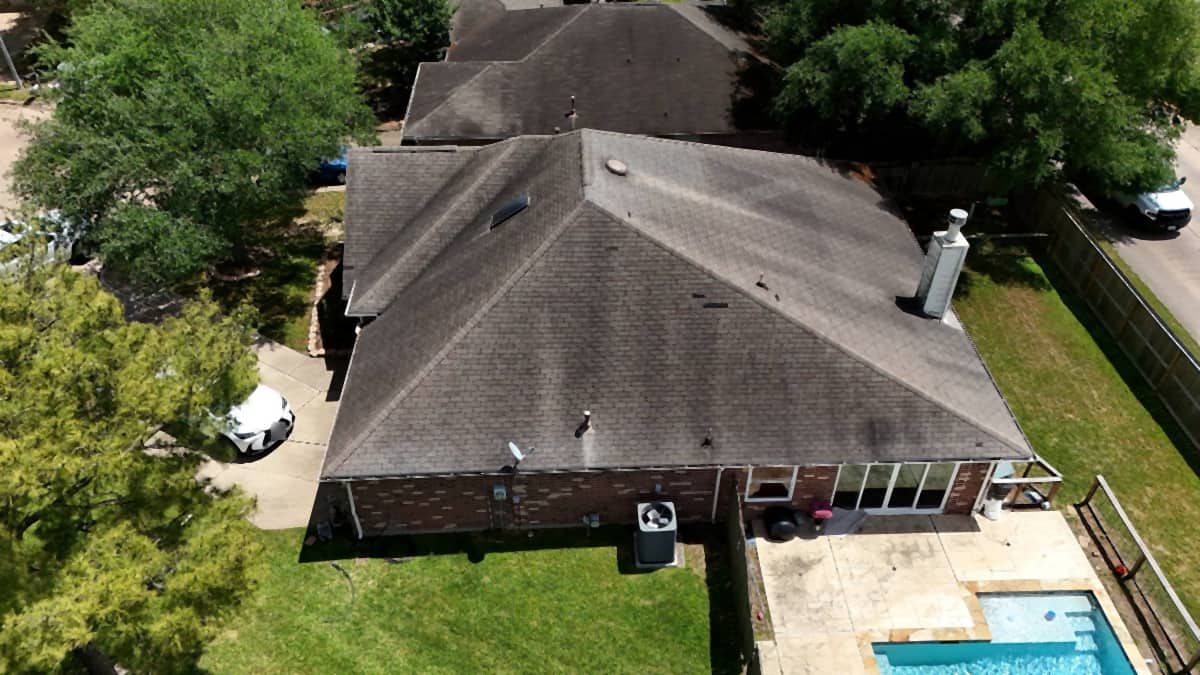
Premature shingle aging, higher cooling bills in summer, moisture and mold in the attic, and in the worst cases decking that has to be replaced early. None of it announces itself — it just shortens the life of an expensive roof.
The maintenance that's actually worth doing
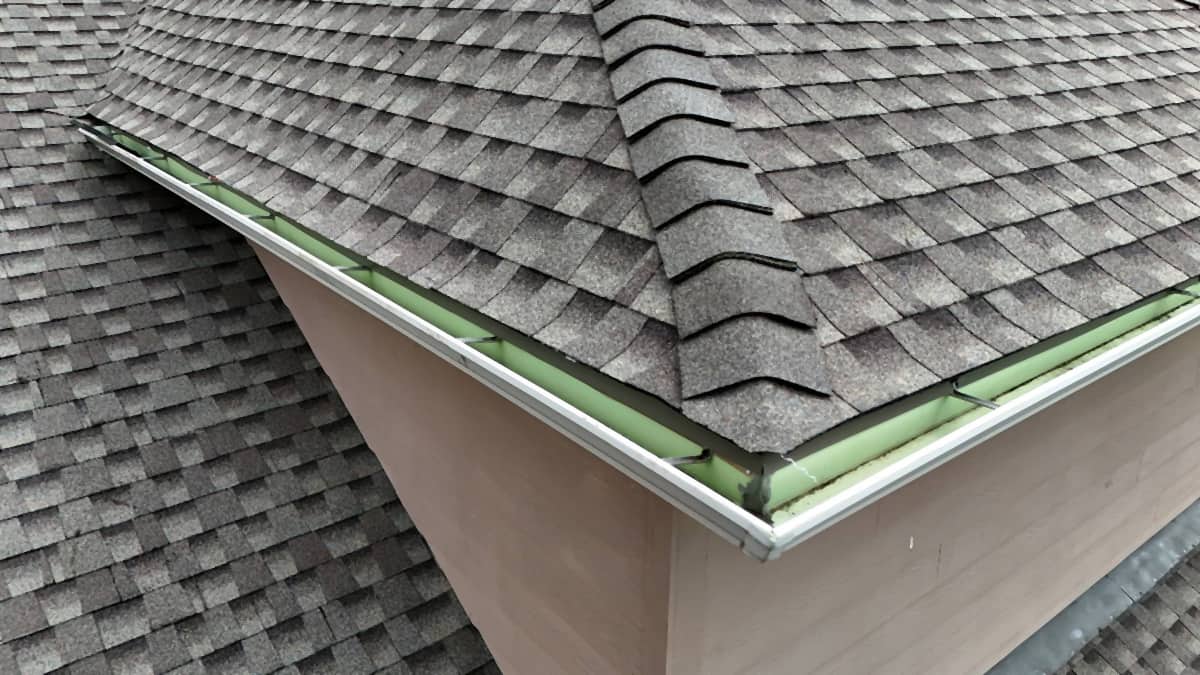
You don't need to baby a roof, but a few things pay for themselves: keep your gutters clear so water drains instead of backing up; keep soffit and intake vents unblocked so the system can breathe; after a big storm, get eyes on the roof; and address the small stuff — a worn pipe boot, an exposed nail, a lifted shingle — while it's still small.
The cheapest way to make a roof last is to let it breathe and catch the small things early. Both are free or close to it.
Questions, answered
Common questions
Can you add ventilation to my existing roof?
Often, yes. We assess your current intake and exhaust, figure out where the balance is off, and recommend the right fix for your roof — sometimes as part of a repair, sometimes alongside a replacement.
How do I know if my attic is under-ventilated?
Common signs are an attic that's extremely hot or stuffy, moisture or a musty smell up there, and summer cooling bills that feel higher than they should. An inspection confirms it.
Does ventilation really affect my energy bill?
It can. An attic that exhausts heat properly puts less load on your cooling in a Houston summer. It's not magic, but it's a real factor — and it's working for your roof at the same time.
Free, no-pressure
Get your free roof report
We get on the roof, and you get a real document — not a sales pitch. You get photos of every problem area, written findings in plain English, and a repair estimate if a repair is the honest answer. Emailed to you and left with you in print — yours to keep, whether you hire us or not.
- Photos of every problem area on your roof
- Written findings, in plain English
- A repair estimate, if a repair is the honest answer
If it's storm damage, we handle the insurance claim with you. Financing available.
Roof leaking? We answer 24/7 — call any hour. Or email Aldo@handyhandsroofing.com
Get your free roof report
Name and phone is all we need — we'll call you back. No obligation.
Got it — we have your details
Thanks — we’ll contact you about your request. Prefer to talk now? Call (346) 276-6492.
GAF Certified · 10-Year Workmanship Warranty · Insurance restoration specialists