
Service Areas
Roofing in The Heights
Historic-district rules don't have to be scary — if your roofer actually knows them.
- GAF Certified · Factory-certified installer
- 10-Year · Workmanship warranty
- Family-Owned · Houston since 2023
Who roofs homes in The Heights, Houston?
Handyhands is a family-owned, GAF Certified roofing contractor working across the Houston Heights, including homes inside the historic districts. We handle full replacement, honest repair, and storm and hail insurance claims, installing the complete GAF Timberline HDZ system with a 10-year workmanship warranty.
The Houston Heights is one of the city's oldest and most distinctive neighborhoods — Victorian, Craftsman, and bungalow homes on tree-lined streets, much of it protected as a historic district. Roofing here comes with a question most of Houston never has to ask: what are you allowed to put back on? The honest answer is more reasonable than the rumors suggest — and knowing exactly where the lines are is what separates a roofer who works in the Heights from one who just says they do.
The historic-district question, answered honestly
Parts of the Heights — the East, West, and South Heights historic districts — are regulated by the City of Houston's Archaeological & Historical Commission (HAHC). If your home is inside one of those district boundaries, exterior changes can be subject to a Certificate of Appropriateness (COA). Here's the part most homeowners are never told plainly:
- Re-roofing with in-kind materials — the same material, with no change to the roof's structure, shape, or pitch — generally does not require a COA.
- Changing the roof's material, profile, or pitch on a contributing home is what can trigger a COA.
- Not every Heights home is in a historic district — it depends on whether your property falls within the district boundaries.
In plain terms: replacing a worn roof with the same kind of roof is usually straightforward. It's changing the look that brings the rules into play — and that's exactly the conversation we'll have with you up front.
How we help with the rules — and what we don't claim
We're not a substitute for the HAHC, and we don't promise approvals — no honest roofer can. What we do is help you understand whether your home is likely affected, choose materials that keep a historic roof in-kind where that's what you want, and point you to the right process when a change you're considering would need review. The aim is simple: no surprise stop-work orders, and a roof that fits the home and the district.
Old houses, shade, and what actually goes wrong up there
Beyond the rules, Heights roofs have their own physical realities. These are older homes, often with steeper original rooflines, and the neighborhood's famous tree canopy keeps many roofs shaded and damp well after it rains. That combination feeds moss and the black algae that holds moisture against the shingles, and it ages the north- and shade-facing slopes faster.
Good ventilation and staying ahead of moss matter more here than on an open lot — which is why getting the ventilation right is one of the highest-value things you can do for a Heights roof.
Storm damage and insurance in the Heights
When storm or hail damage hits a Heights home, an older or historic roof adds a wrinkle: making sure the damage — and the roof's actual materials — are documented correctly so the claim reflects what restoring it really takes. That documentation-and-advocacy work is what we're known for. Coverage is always your insurer's decision; scoping the damage accurately is ours.
What you get with Handyhands
In the Heights you get a roofer who knows the historic-district rules and will tell you the truth about them, the full range of roofing systems installed to last, the insurance-restoration expertise we're known for, and our 10-year workmanship warranty on the labor.
Get a straight read on your Heights roof
Whether you're due for a like-for-like replacement or weighing a change that might need review, the next step is a real look. Reach out and we'll set it up.
Call (346) 276-6492 or email Aldo@handyhandsroofing.com for a free, no-obligation inspection of your Heights roof.
Local proof
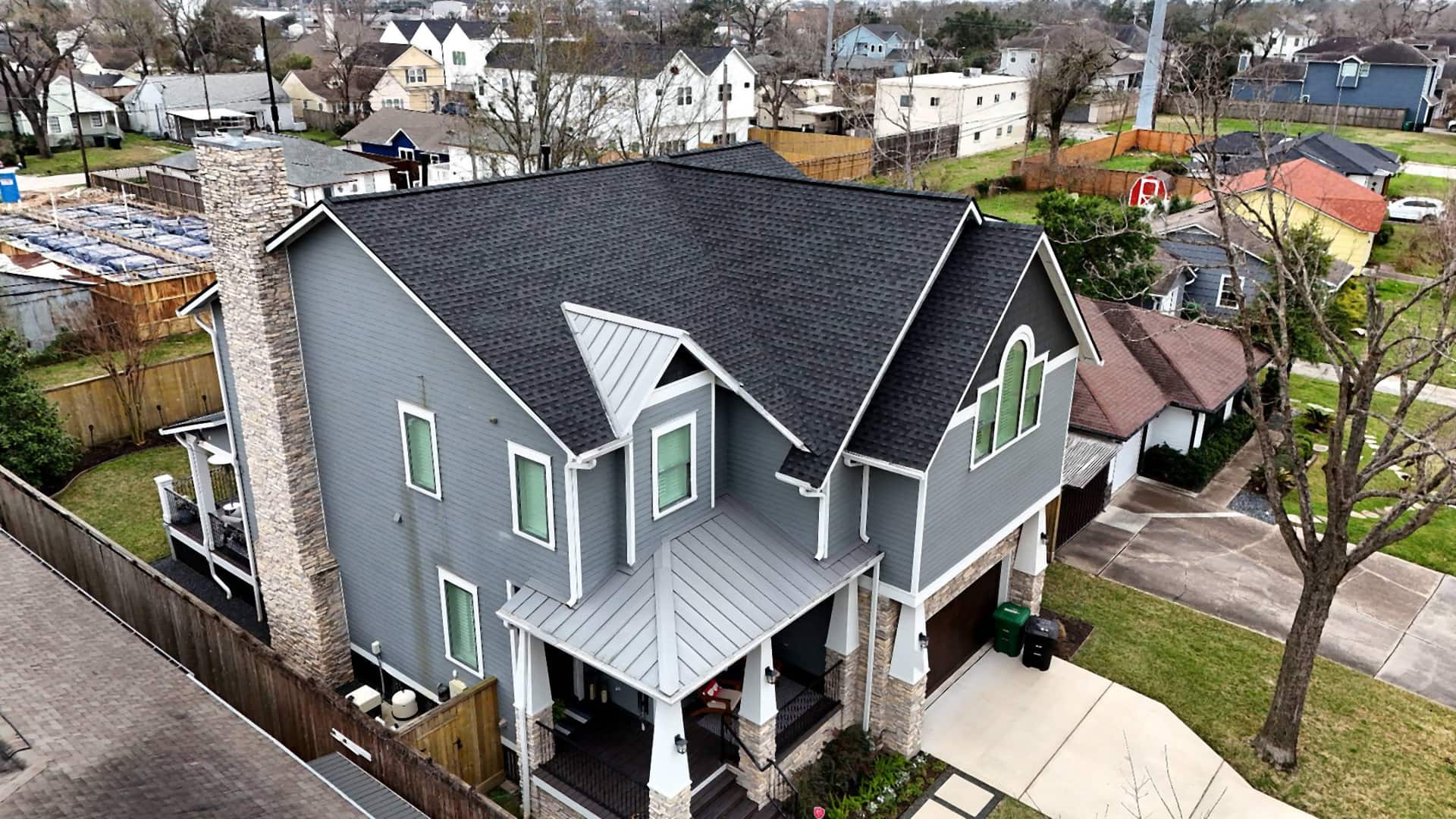
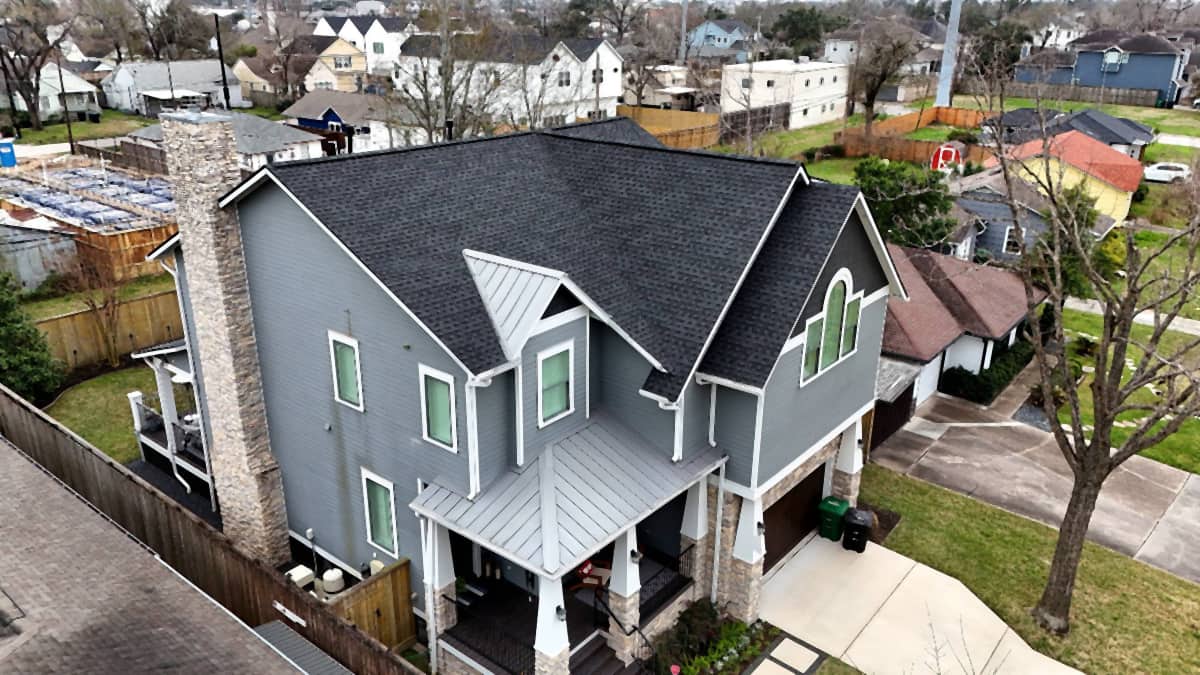
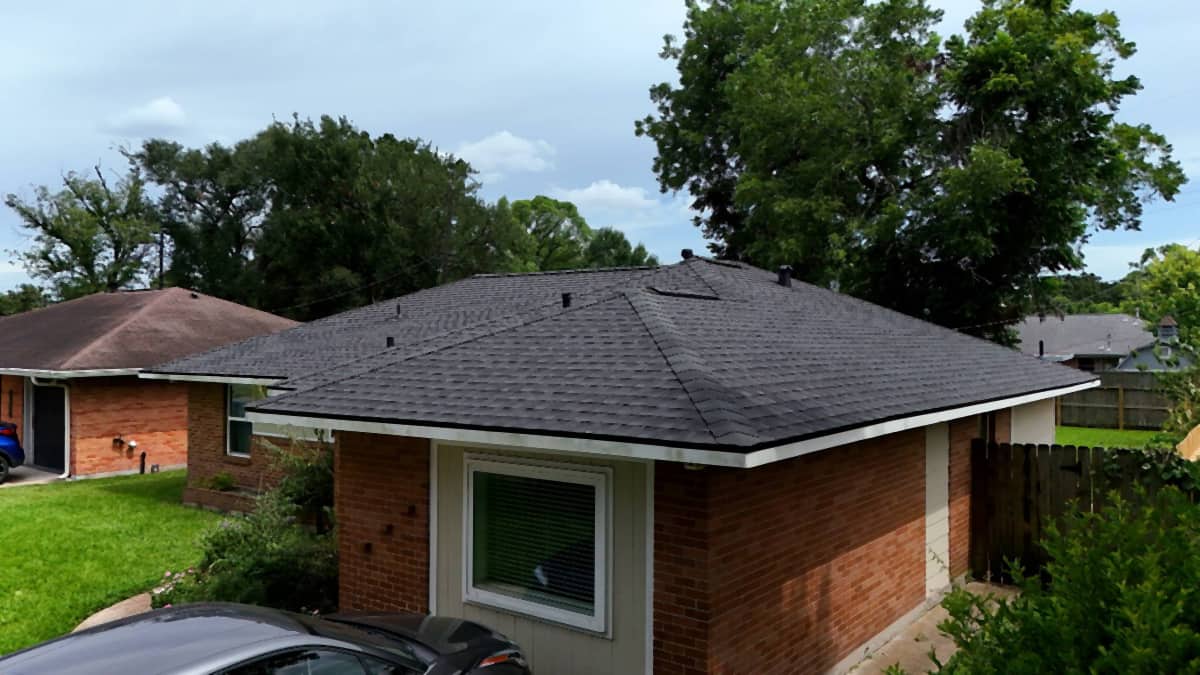
Recent work in The Heights
Not stock photos — The Heights roofs we built, photographed by our own crew.
Nearby work
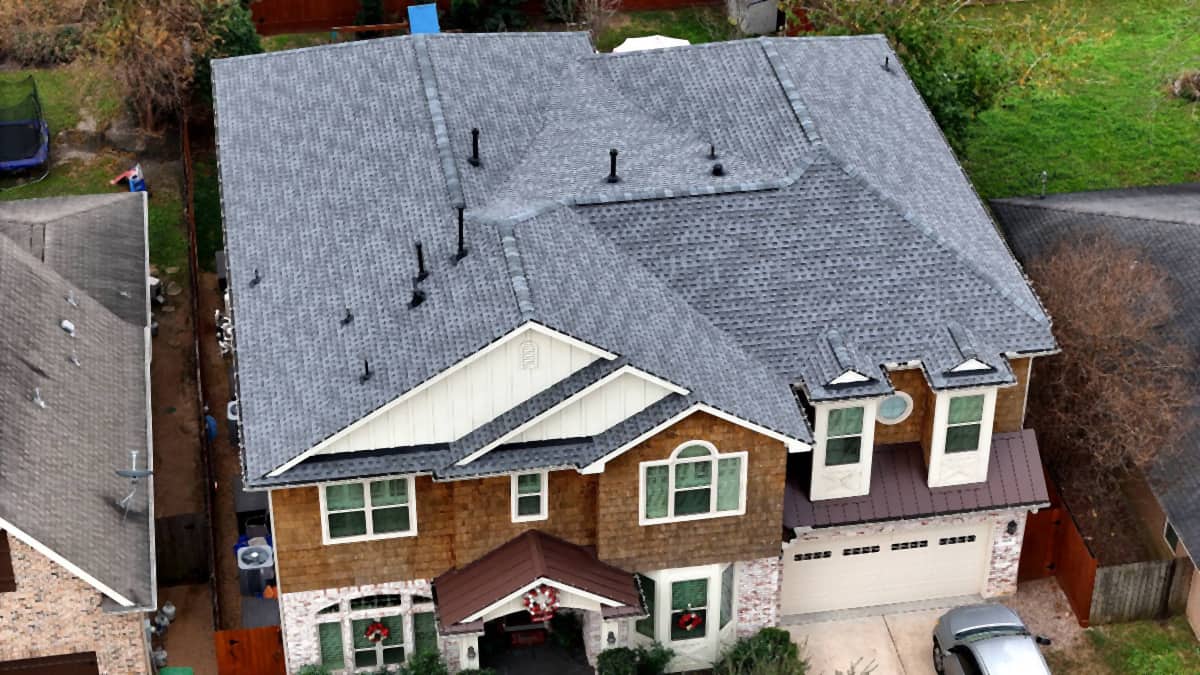
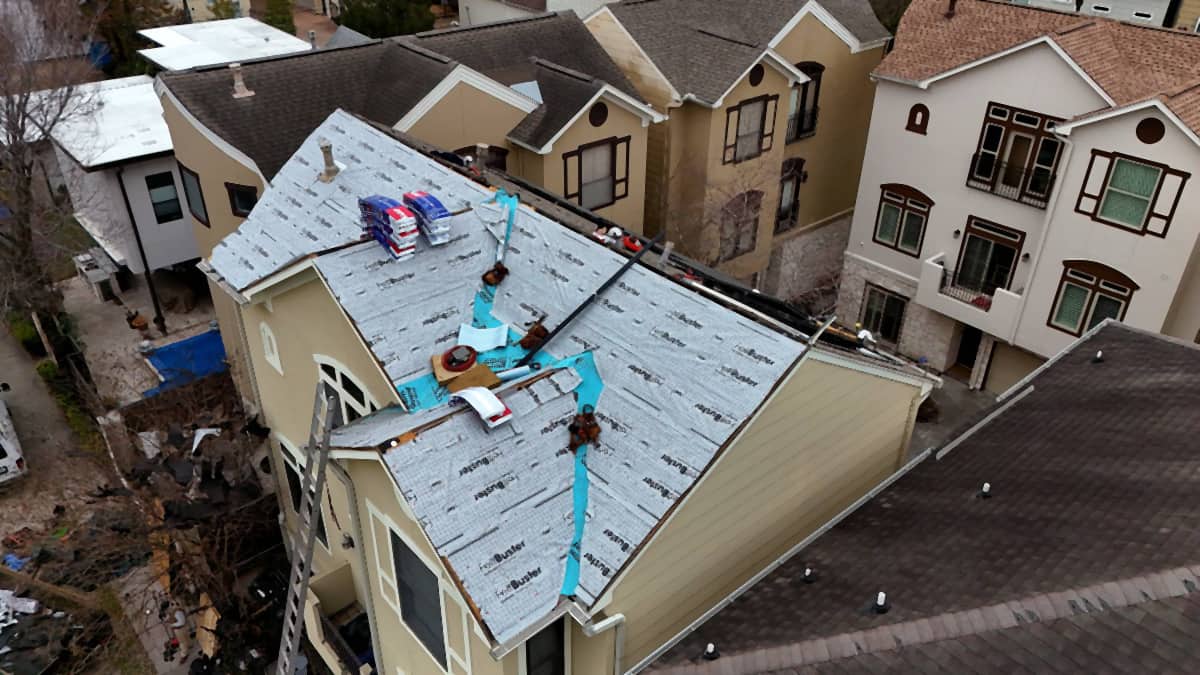
Roofs we've built around The Heights
These are not The Heights addresses — each one is labelled with the neighbourhood it was shot in. They're the same crews, the same system, on the streets either side of you.
Questions, answered
Common questions
Do I need city approval to replace my roof in the Heights?
Often not. If your home is in one of the Heights historic districts, re-roofing with in-kind materials — same material, no change to the roof's shape or pitch — generally doesn't require a Certificate of Appropriateness. Changing the material, profile, or pitch is what can trigger one. And not every Heights home is in a district to begin with.
How do I know if my home is in a historic district?
It depends on whether your property falls within the East, West, or South Heights district boundaries. We can help you figure out whether yours is likely affected as part of looking at your roof.
Can you handle the Certificate of Appropriateness for me?
We help you understand the process and choose compliant materials, but we don't file COAs for you or guarantee approval — the application and the HAHC's decision rest with the homeowner and the commission. What we can promise is straight guidance so you're not blindsided.
My Heights home keeps getting moss on the roof — why?
The neighborhood's tree canopy keeps a lot of roofs shaded and damp long after it rains, which feeds moss and algae. Good ventilation and staying ahead of it help a lot; it's a common issue on the shaded slopes here.
Free, no-pressure
Get your free roof report — The Heights
We're on The Heights roofs regularly, so this is a short drive, not a trip. You get photos of every problem area, written findings in plain English, and a repair estimate if a repair is the honest answer. Emailed to you and left with you in print — yours to keep, whether you hire us or not.
- Photos of every problem area on your roof
- Written findings, in plain English
- A repair estimate, if a repair is the honest answer
If it's storm damage, we handle the insurance claim with you. Financing available.
Roof leaking? We answer 24/7 — call any hour. Or email Aldo@handyhandsroofing.com
Get your free roof report
Name and phone is all we need — we'll call you back. No obligation.
Got it — we have your details
Thanks — we’ll contact you about your request. Prefer to talk now? Call (346) 276-6492.
GAF Certified · 10-Year Workmanship Warranty · Insurance restoration specialists